The Complete Guide to Roof Maintenance: Tips From Expert Roofers
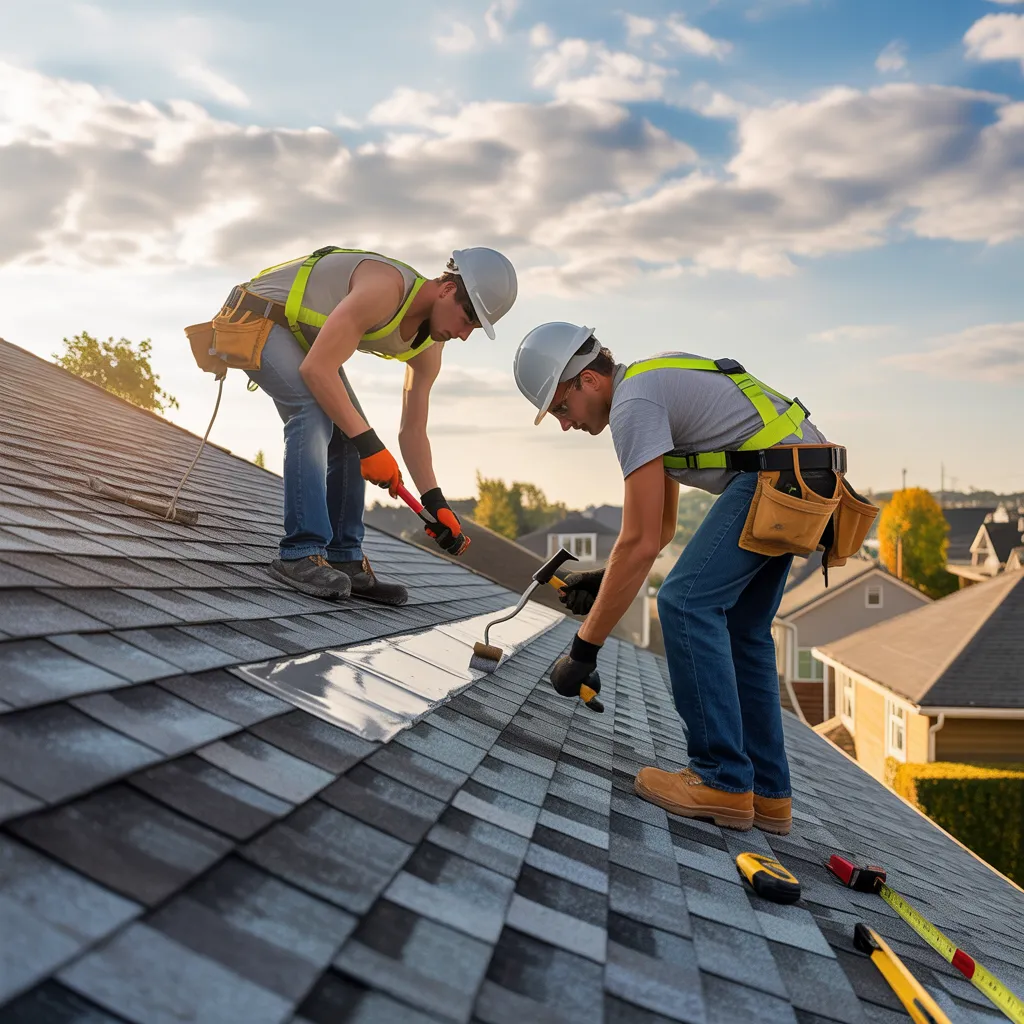
Maintaining a roof is essential for any homeowner. Neglecting this aspect can lead to expensive damage and decreased property value. Expert roofers emphasize the importance of seasonal maintenance and prompt issue identification. Basic checks can reveal issues like damaged tiles or moisture marks. Knowing how to address these problems can save homeowners from upcoming complications. Yet, many remain unaware of the actions required for effective upkeep. What essential tasks should be prioritized?
Critical Seasonal Roof Maintenance Responsibilities
Proper roof maintenance is necessary for increasing the life span of a home's roof. Periodic upkeep is essential in preserving its strength and performance. In spring, homeowners should assess damage from winter weather, clear out buildup, and check gutters for blockages. This avoids water accumulation that can cause leaks. During summer, it is sensible to inspect flashing and sealant, as the heat can cause expansion and contraction, which may lead to complications.
As fall arrives, homeowners should remove fallen leaves and branches to avoid water accumulation, which can promote mold growth. Also, inspecting shingles for damage is essential, as autumn storms can worsen weaknesses. Cold season upkeep requires inspecting ice dams and ensuring proper insulation to prevent heat loss. By adhering to these seasonal tasks, homeowners can properly care for their roofs, improving durability and decreasing costly repairs.
Tips for Spotting Roof Damage Ahead of Time
Early identification of roof damage is essential for maintaining a home's integrity. By recognizing common signs of damage and performing regular inspections, homeowners can prevent more extensive repairs. A seasonal maintenance checklist can further assist in discovering potential issues before they escalate.
Frequent Signals of Wear
Identifying roof damage early can help homeowners avoid large repair costs and prevent further issues. Common signs of damage include lost or cracked shingles, which can expose the underlying materials to moisture. Homeowners should also look for black marks or mold, indicating potential water leaks. Ponding water, especially in low areas, can lead to deterioration over time. Additionally, interior signs such as water stains on ceilings or walls often suggest roof leaks. Inspecting the flashing around chimneys and vents is essential, as damaged flashing can allow water penetration. Finally, sagging areas on the roof surface may indicate structural issues. Recognizing these signs promptly enables timely repairs, protecting the home’s integrity and value.
Examine Your Roof on a Consistent Basis
Though many homeowners may ignore their roofs, conducting routine inspections is critical for maintaining their integrity. Regular assessments help homeowners identify possible issues before they escalate into costly repairs. During an inspection, people should look for missing or damaged shingles, signs of water damage inside the home, and any debris accumulation in gutters. Also, inspecting for drooping sections or rusted flashing can reveal underlying issues. It’s also important to examine the state of ventilation systems, ensuring they operate efficiently to prevent moisture buildup. Scheduling inspections at least twice a year, preferably in spring and fall, helps catch damage early, ultimately extending the roof's lifespan and preserving the home’s overall value.
Seasonal Upkeep Guide
As times shift, residents ought to be mindful when evaluating their roofs for potential damage. Having a periodic maintenance checklist is key to detecting problems before they escalate. In spring, it’s important to remove debris and check for any missing shingles. Summer inspections should focus on signs of wear from UV exposure. During fall, it is important to clear leaves and check gutters for any blockages. Winter calls for vigilance concerning ice dam formation and leaks caused by melting snow. Homeowners need to be aware of water stains on ceilings and walls, which can suggest possible leaks. Regularly examining flashing, vents, and chimneys can also help to avoid costly repairs. By adhering to this checklist, homeowners can extend their roof’s lifespan and protect their investment.
DIY Roof Inspection: How to Check for Wear
Completing a do-it-yourself roof survey can support homeowners identify potential defects before they progress. This activity includes using effective inspection tools, identifying common troubles, and respecting essential protective measures. By remaining diligent, homeowners can shield their roofs and establish long-term durability.
Visual Assessment Approaches
A meticulous careful examination of a roof can reveal possible issues before it turns into costly repairs. Homeowners should start by inspecting the roof's surface for missing, cracked, or curled shingles. Inspecting the flashing around chimneys, vents, and skylights is vital, as faulty waterproofing can result in leaks. Observing the gutters for granules from shingles can indicate wear. Additionally, examining the roof from the ground can provide a broader view of any sinking or uneven areas. Using binoculars can make it easier to see issues without needing to climb onto the roof. Maintaining safety is paramount; if the roof's pitch is steep or conditions are unsafe, it is suggested to consult a professional for a more detailed evaluation.
Spotting Regular Challenges
actively recognizing these issues, homeowners can act without delay
Safety Safeguards Important
While conducting a do-it-yourself roof examination can be beneficial, implementing safety measures is essential to Roof Company avoid accidents. Roofers recommend employing a sturdy ladder, making sure it is positioned on a level ground, and keeping three points of contact while climbing. Wearing appropriate footwear with good grip can also reduce the risk of slipping. Additionally, individuals should check the weather conditions; steering clear of high winds or rain enhances safety. It is wise to have an partner present for support and to discuss intentions clearly. Ultimately, using safety harnesses when working on steep roofs can provide added protection. By adhering to these safety measures, property owners can effectively inspect their roofs while minimizing the risk of injury.
Identifying and Fixing Common Roofing Issues
Homeowners routinely overlook the quiet indicators of roofing issues until they escalate into substantial issues. Common indicators encompass missing shingles, water stains on ceilings, and granules accumulating in gutters. These signs can suggest leaks or deterioration that require immediate attention.
To address these problems, property owners should perform routine checks, notably following severe weather events. If absent roof tiles are detected, substituting them quickly can avoid more damage. Moisture marks may indicate water intrusion, calling for roofing work or even replacement of substructure.
Furthermore, checking for compromised flashing around chimneys and vents is essential, as faulty flashing can cause leaks. Maintaining gutters clear of debris will also help guarantee proper drainage, reducing the risk of water pooling on the roof. By detecting these issues early and implementing corrective measures, homeowners can prolong the life of their roofs and protect their homes from expensive repairs.
How to Know When to Hire a Roofing Contractor?
When should a property owner consider hiring a roofer? Property owners should obtain professional assistance when dealing with substantial roof problems that exceed their skill level. This includes major leaks, visible sagging, or missing shingles, which can compromise structural stability. Additionally, if a property owner notices signs of mold or moisture damage within the home, it is important to consult a roofing specialist immediately.
Storm damage can also call for professional help; a competent roofer can examine concealed wear that may not be immediately visible. In addition, if a homeowner is planning to install a new roof or carry out major renovations, bringing in a professional guarantees observance with local codes and standards. To conclude, if consistent upkeep becomes overwhelming, enlisting a roofer for regular assessments can help avert future issues. Spotting these situations can guard homeowners from further complications down the line.
Allocating Money for Roofing Maintenance and Restoration Work
Roof maintenance and repairs often come with unexpected costs, making it essential for property owners to establish a realistic budget. A thorough budget should take into account both routine maintenance and potential emergency repairs. Homeowners are instructed to assess the age and state of their roofs, as aging roofs may require more frequent attention.
Establishing a dedicated pool for these expenditures can diminish monetary stress when problems emerge. Specialists advise committing 1-3% of the home's value yearly for roofing maintenance, which involves inspections, minor repairs, and materials. In addition, requesting multiple quotes from qualified roofing professionals can deliver a clearer sense of potential costs.
Routine maintenance can help increase the durability of a roof and stop major, more pricey maintenance down the line. By planning effectively, homeowners can handle their roofing costs more productively and preserve their stake in their property.
Prolonged Benefits from Routine Roof Care
Although many may regard roof maintenance as a minor task, its extended advantages greatly outweigh the upfront cost. Routine upkeep increases the lifespan of a roof, reducing the need for costly repairs or early renewal. By tackling small issues quickly, homeowners can avoid extensive damage caused by leaks or structural weaknesses, ultimately saving significant sums over time.
Moreover, a properly maintained roof boosts energy efficiency, as it avoids heat loss and decreases cooling costs. It also supports improved property value; prospective buyers often prefer homes with documented maintenance history. Additionally, regular inspections can uncover potential problems before they escalate, providing safety and peace of mind for inhabitants.
Finally, maintaining a roof can stop mold and mildew growth, promoting better indoor air quality. Consequently, the advantages of regular roof upkeep not only safeguard the structure but also improve the overall living environment.
Generally Requested Questions
How Frequently Should I Maintain My Gutters for Roof Health?
Gutters should be maintained at least two times annually to preserve roof condition. However, additional cleanings may be required after severe weather or during fall, when leaves can accumulate and block proper water flow.
What Roofing Materials Need Different Maintenance Techniques?
Distinct roof materials call for different upkeep approaches. Asphalt shingles demand regular inspections and removal of debris, while metal roofs benefit from routine sealing. Tile roofs need careful cleaning to prevent algal buildup, and wood shingles require protection from decay and insects.
Will Regular Roof Upkeep Stop Leaks During Torrential Rain?
Roof maintenance can substantially prevent water intrusion during severe storms. Periodic inspections, swift fixes, and complete waterproofing of materials assure that potential vulnerabilities are tackled, reinforcing the roof's power to withstand severe weather conditions effectively.
In What Ways Does Weather Affect Roof Life Expectancy and Care Needs?
Weather significantly impacts roof durability and maintenance needs. Severe temperature fluctuations, intense precipitation, and strong gusts can increase wear and tear, necessitating consistent checks and repair work to guarantee peak performance and protect against significant harm.
What Are Red Flags of Poor Roof Installation to Keep an Eye On?
Signs of improper roof installation comprise crooked shingles, clear gaps or seams, sagging areas, water leaks, and excessive granule loss. These indicators can cause premature wear and heightened maintenance demands, undermining total roof integrity.
To wrap up, we have looked at the vital information highlighted across this investigation.
In summary, preserving a roof is essential for homeowners aiming to prolong the lifespan of their investment and ensure a secure living environment. By adhering to seasonal maintenance tasks, performing regular checks, and tackling issues promptly, homeowners can successfully prevent expensive repairs. Recognizing when to tackle repairs themselves and when to enlist professional help is important. Ultimately, a preventive approach to roof maintenance not only enhances the home's value but also contributes to better indoor air quality and overall well-being.